









JAPANESE TRADITIONAL CRAFTS
Ở Nhật Bản, có rất nhiều đồ dùng thiết yếu hàng ngày được sản xuất bằng phương pháp sản xuất truyền thống và nguyên liệu thô đã được nuôi dưỡng và kế thừa qua lịch sử và khí hậu. Hãy thử kết hợp các nghề thủ công truyền thống của Nhật Bản vào cuộc sống hàng ngày của bạn.
Sekishu-washi
SEKISHU Washi (Papers)

Location: Shimane
History: Heian era (794-1185)
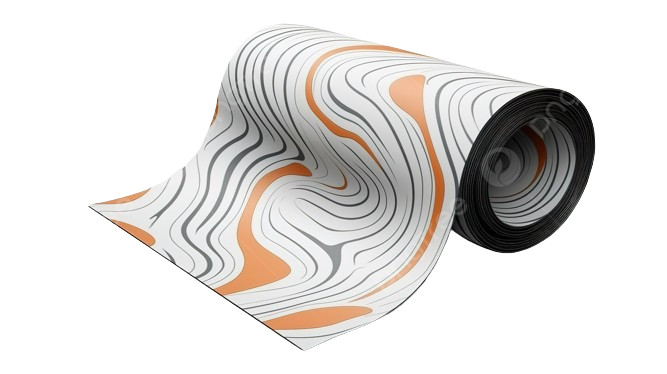
Sekishu washi paper has been made without interruption for nearly 1,300 years. At first, it was made by farmers in their spare time but later became the work of specialized artisans.
History: Heian era (794-1185)
Sekishu washi paper has been made without interruption for nearly 1,300 years. At first, it was made by farmers in their spare time but later became the work of specialized artisans.
TOKYO GINKI(SILVERSMITHING)
TOKYO Ginki (Silversmithing)

Location: Tokyo
History: the 18th century
Tokyo silversmithing captures the true essence of metalworking, producing long-lasting, elegant products with both hammered and engraved patterns and designs.
History: the 18th century
Tokyo silversmithing captures the true essence of metalworking, producing long-lasting, elegant products with both hammered and engraved patterns and designs.
KOSHU-SUISHO-KISEKI-ZAIKU
KOSHU Suisho Kiseki Zaiku (Crystal Carving)

Location: Yamanashi
History: the middle of the Edo era (1600-1868)
Koshu crystal carvings comprise a variety of products that are crafted to bring out the individual characteristics of the natural crystals.
History: the middle of the Edo era (1600-1868)
Koshu crystal carvings comprise a variety of products that are crafted to bring out the individual characteristics of the natural crystals.
OUCHI-NURI (LACQUERWARE)
OUCHI-NURI(LACQUERWARE)

Location: Yamaguchi
History: the Muromachi era (1392-1573)
Ouchi lacquerware techniques have been passed down from ancient times in Yamaguchi, which came to be known as the "Kyoto of the West."
History: the Muromachi era (1392-1573)
Ouchi lacquerware techniques have been passed down from ancient times in Yamaguchi, which came to be known as the "Kyoto of the West."
EDO OSHI-E (EMBOSSED CLOTH PICTURES)
EDO Oshi-e (Embossed Cloth Pictures)

Location: Tokyo
History: the late Edo era
Edo Oshi-e often feature portraits of Japanese actors, but can also be created to depict realistic imagery, caricatures, landscapes, and plants and animals.
History: the late Edo era
Edo Oshi-e often feature portraits of Japanese actors, but can also be created to depict realistic imagery, caricatures, landscapes, and plants and animals.
SATSUMA-YAKI (CERAMICS)
SATSUMA Yaki (Ceramics)

Location: Kagoshima
History: the 16th century
Satsuma Yaki comprises six historical brands, namely, Tateno, Ryumonji, Inawashirogawa, Nishimochida, Hirasa and Tanegashima, which can be separated into white pottery, black pottery and porcelains.
History: the 16th century
Satsuma Yaki comprises six historical brands, namely, Tateno, Ryumonji, Inawashirogawa, Nishimochida, Hirasa and Tanegashima, which can be separated into white pottery, black pottery and porcelains.